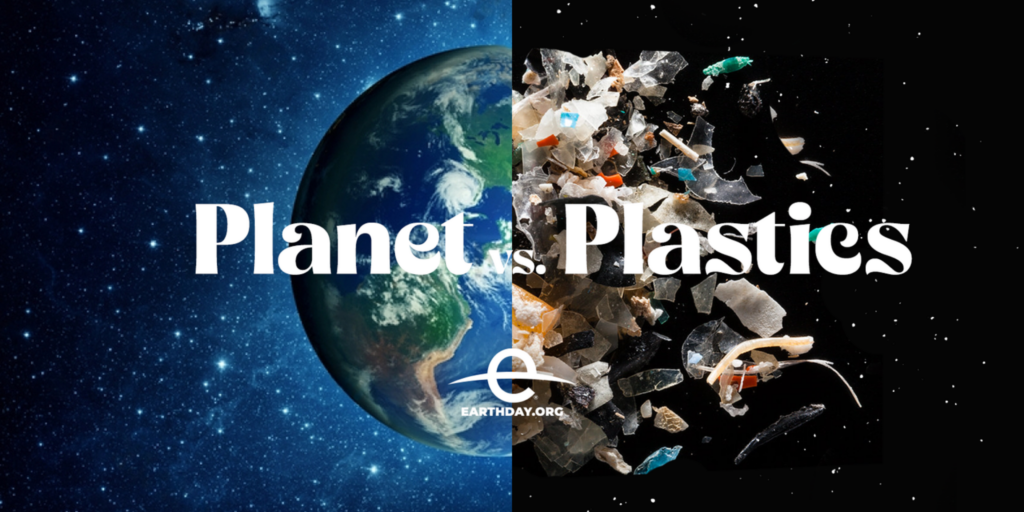
As the world marks the 55th Earth Day, themed “Planet vs. Plastics,” government delegations, business representatives, scientists, and community advocates are simultaneously gathering in Ottawa, Canada to advance negotiations for the first-ever global treaty on plastic pollution.
“Turning Off the Tap” of Plastic Production and Pollution
From the depths of the oceans to the slopes of Mount Everest, plastics have become ubiquitous in our environment and even our bodies. Recognizing the severe implications for planetary stability and the health of people and ecosystems, the United Nations has set plastic pollution as a key policy priority. The recently established Intergovernmental Negotiating Committee on Plastic Pollution is working towards a global treaty by the end of this year, aimed at sustainably managing plastics, reducing their toxicity, and tackling the persistent issue of legacy pollution.
How Does Plastic Pollution Impact Indiana’s Watersheds?
The Indiana Water Resources Center (IWRC) has identified in a baseline study that microplastics – tiny plastic fragments less than 5 mm in length that form from the breakdown of larger plastic products – are widespread in Indiana’s river systems. Microplastics behave as vectors for other toxic contaminants that can adhere to their surface and be transferred to humans from food sources like fish.
Larger pieces of single-use plastic debris such as bags, bottles, takeout containers, straws and cutlery further pollute Indiana’s land and water. An abysmal 5-6% of plastic waste is recycled in the United States each year, with the rest ending up in domestic landfills, shipped out to other countries or blowing around freely in the environment. While Indiana has eyed alternate techniques to manage plastic waste like “chemical recycling” plants which burn plastic waste to generate fuel, such methods also come with environmental drawbacks, such as impacted air quality of communities living nearby these plants.
From a Global Treaty to Local Action – How Can Your Family or Business Contribute to Ending Plastic Waste?
As the world watches for the outcome of the ongoing plastics negotiations and the support a resulting treaty could provide for countries and communities to beat plastic pollution, there are actions everyone can take to contribute to the health of our environment and watersheds:
- Reduce plastic use (particularly one use, then throw away items): Opt for reusable alternatives whenever possible, which will save money in the long run by minimizing repeated purchases of items like plastic cups or plates. Identify and support businesses that prioritize sustainable practices.
- Participate in community cleanup projects: Engage in or organize local plastic pollution cleanup projects in your community, especially near water bodies or on trails. Keep Indianapolis Beautiful has one such program called the “Great Indy Cleanup” which supports and provides resources for people who want to “lead the charge against heavy litter, illegal dumping, and debris in the public spaces in their neighborhood.”
- Educate and advocate: Resources like the Plastic-Free Great Lakes Advocacy Toolkit can be great starting points to learn about how plastic pollution impacts human health and the environment and entry points for you to share your voice in decision-making processes on plastics.