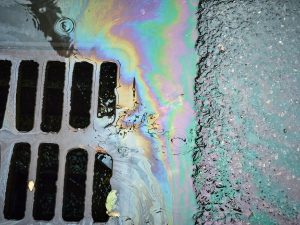
Before the implementation of the Clean Water act in the 1970s, water pollution from industries and local municipalities directly into waterways was a major source of the country’s polluted water. Now indirect impacts pose the biggest threat to water quality.
News, Events, and Updates from MCWEC
Waste Tire Funding and Disposal Resources
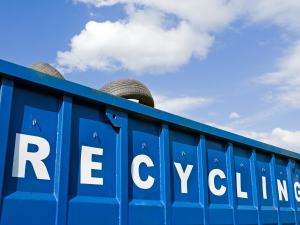
If you’ve drive by an old junkyard seen piles of tires in the corner, you might have wondered why they hadn’t been disposed of yet. Knowing how and where to dispose of waste tires is a challenge. Identifying the cost and finding funding is a necessary step towards working tire management into your business model.
How can soil type affect water quality?
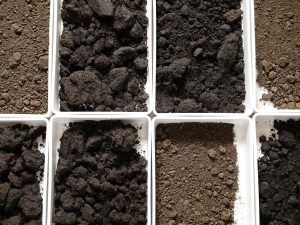
Texture and composition of soil is important when thinking about where water and contaminants in water will flow. Whether you are a farmer looking to better care for your crops, a homeowner, or a business, you can better understand your property with a look into your soil. What are the basic soil types? There are […]
One Water Indiana launches comprehensive resource library for water education
One Water Indiana, with support from partners across the state, has launched a comprehensive water education resource library with tools for anyone interested in providing water education in Indiana. Within the library, users can search by audience (school levels, homeowners, businesss, etc) and topic to find water education materials to discuss many topics such as […]
What is a water table?

When thinking about water underground, the water table is a good place to start. As water seeps into the earth it eventually reaches a point where the rocks and soil are full of water. The water table is the top “surface” of this underground, water-saturated area. Think about digging a hole on the beach. After […]
Indiana leads the nation in water quality improvement
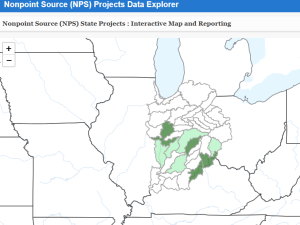
Across the country, communities are working to clean waterways where pollution has occurred from pollutants being picked up during rainfall or snow events and carried to larger bodies of water. This is referred to as “nonpoint source pollution” and has an Environmental Protection Agency (EPA) program devoted specifically to this type of pollution. As part […]